7 Hidden Problems to Check Before Buying a Used Boat in Florida
November 10, 2026Buying a used boat in Florida can open the door to memorable days on the water, but appearances rarely tell the whole story. A vessel may look spotless at the dock while hiding mechanical problems, structural weaknesses, or maintenance issues that could lead to expensive repairs.
Florida’s saltwater environment, humidity, and frequent exposure to intense sunlight can place considerable demands on boats. Even well-maintained vessels require careful evaluation before changing ownership.
Understanding what to inspect can help buyers avoid unpleasant surprises and make more informed purchasing decisions. Here are seven potential problems worth investigating before committing to a used boat.
1. Hidden Moisture Damage in the Hull and Deck
Moisture intrusion is an important concern when evaluating a used vessel, particularly one with a fiberglass structure.
Water can enter through poorly sealed fittings, aging hardware, damaged surfaces, or previous repairs. In some construction types, moisture reaching vulnerable core materials can contribute to deterioration and reduced structural integrity.
Warning signs may include soft deck sections, visible cracking, unusual discoloration, or separation around fittings.
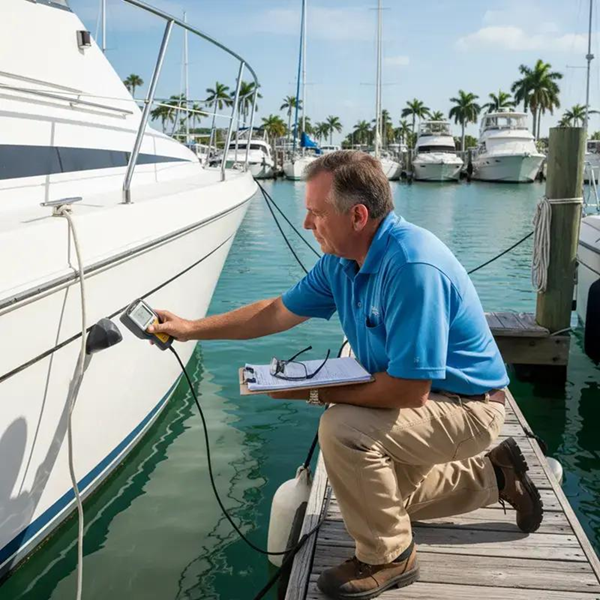
However, moisture-related problems are not always visible during a casual inspection. Identifying their extent may require specialized tools, experience, and additional testing.
Buyers should pay particular attention to areas around deck hardware, hatches, transom fittings, and previous repair locations.
2. Corrosion in Metal Components and Electrical Connections
Saltwater exposure can accelerate corrosion, especially when protective systems are neglected.
Metal fittings, engine components, electrical terminals, and underwater hardware may deteriorate gradually without attracting immediate attention.
Corroded electrical connections can create unreliable equipment operation, while deterioration in critical metal components may affect vessel safety.
During an initial inspection, look for unusual rust staining, damaged wiring terminals, deteriorated bonding connections, and excessive corrosion around metal fittings.
A qualified technician may be needed to determine the underlying cause and whether repairs are necessary.
3. Engine Problems That Are Not Immediately Obvious
An engine that starts easily is not necessarily in excellent condition.
Some mechanical problems become apparent only after the engine reaches operating temperature or operates under load.
Buyers should investigate maintenance records, service intervals, cooling system condition, fluid leaks, unusual vibrations, and signs of overheating.
When appropriate, a sea trial can provide valuable information about how the vessel performs during normal operation.
Depending on the engine type and purchase circumstances, specialized engine diagnostics, oil analysis, or an independent mechanical inspection may also be worthwhile.
These evaluations can reveal concerns that a brief dockside engine demonstration might miss.
4. Inadequate Repairs and the Importance of a Professional Marine Survey
Not every visible repair is a reason to reject a used boat. Properly completed repairs can restore functionality and address previous damage.
The concern arises when repairs conceal unresolved structural problems, use unsuitable materials, or fail to address the original cause of damage.
Fresh paint, recently replaced panels, inconsistent surface finishes, or unusual sealant applications deserve closer examination.
This is where an independent marine survey becomes particularly valuable.
A professional survey can document the condition of accessible structural components, electrical systems, mechanical installations, and safety equipment within the agreed inspection scope.
For buyers researching inspection services, the search phrase trusted marine surveyor FL is a starting point; qualifications, inspection scope, sample reports, and relevant vessel experience should guide the final choice.
A pre-purchase survey may also involve a haul-out and sea trial, depending on the vessel and inspection arrangement.
Importantly, marine surveys have limitations. Inaccessible areas, internal engine components, and concealed defects may require additional specialist inspections.
Understanding these limitations helps buyers develop realistic expectations and arrange further evaluations when needed.
5. Aging Fuel Systems and Potential Safety Hazards
Fuel systems deserve careful attention because deterioration can affect both reliability and onboard safety.
Inspectors may look for damaged hoses, deteriorated fittings, corrosion around tanks, unsupported fuel lines, and signs of leakage.
Fuel odors should never be dismissed without investigating their source.
Older boats may have undergone equipment modifications or repairs that introduced additional concerns.
Buyers should review available maintenance documentation and ask whether significant fuel-system components have been replaced or repaired.
Any suspected leakage or unsafe installation should be evaluated by a qualified marine professional before operating the vessel.
6. Outdated Safety Equipment and Navigation Systems
A boat may be mechanically functional while still lacking properly maintained safety equipment.
Before purchasing, review the condition and suitability of life jackets, fire extinguishers, navigation lights, emergency signaling devices, and other equipment applicable to the vessel.
Some safety items have service dates, expiration dates, or inspection requirements that owners must monitor.
Navigation and communication equipment should also be checked for functionality.
Older electronics may continue operating but lack features, compatibility, or support available in newer systems.
The cost of replacing neglected safety equipment and outdated electronics should be considered when evaluating the overall purchase.
7. Missing Maintenance Records and Inconsistent Ownership History
Maintenance documentation can provide valuable insight into how a vessel has been cared for over time.
Service invoices, equipment manuals, repair records, and previous inspection reports may help buyers understand the boat’s condition and maintenance history.
Incomplete records do not automatically indicate poor ownership, but they can make evaluating certain systems more difficult.
Buyers should ask about major repairs, equipment replacements, previous damage, and recurring mechanical problems.
It is also wise to verify vessel identification details and review ownership documentation through the appropriate channels.
When documentation is limited, a more thorough inspection may be especially important.
Conclusion
Buying a used boat requires more than evaluating its appearance, equipment, and asking price.
Moisture damage, corrosion, mechanical wear, questionable repairs, fuel-system deterioration, outdated safety equipment, and incomplete maintenance records can all influence a vessel’s long-term ownership costs.
Taking time to examine these areas, review available records, and arrange appropriate professional inspections can help buyers understand what they are purchasing.
A thoughtful evaluation provides a stronger foundation for negotiating, budgeting for necessary repairs, and enjoying a safer, more dependable boating experience.